Rate hikes fail to cool housing + Approvals fall + Gen X take property reins


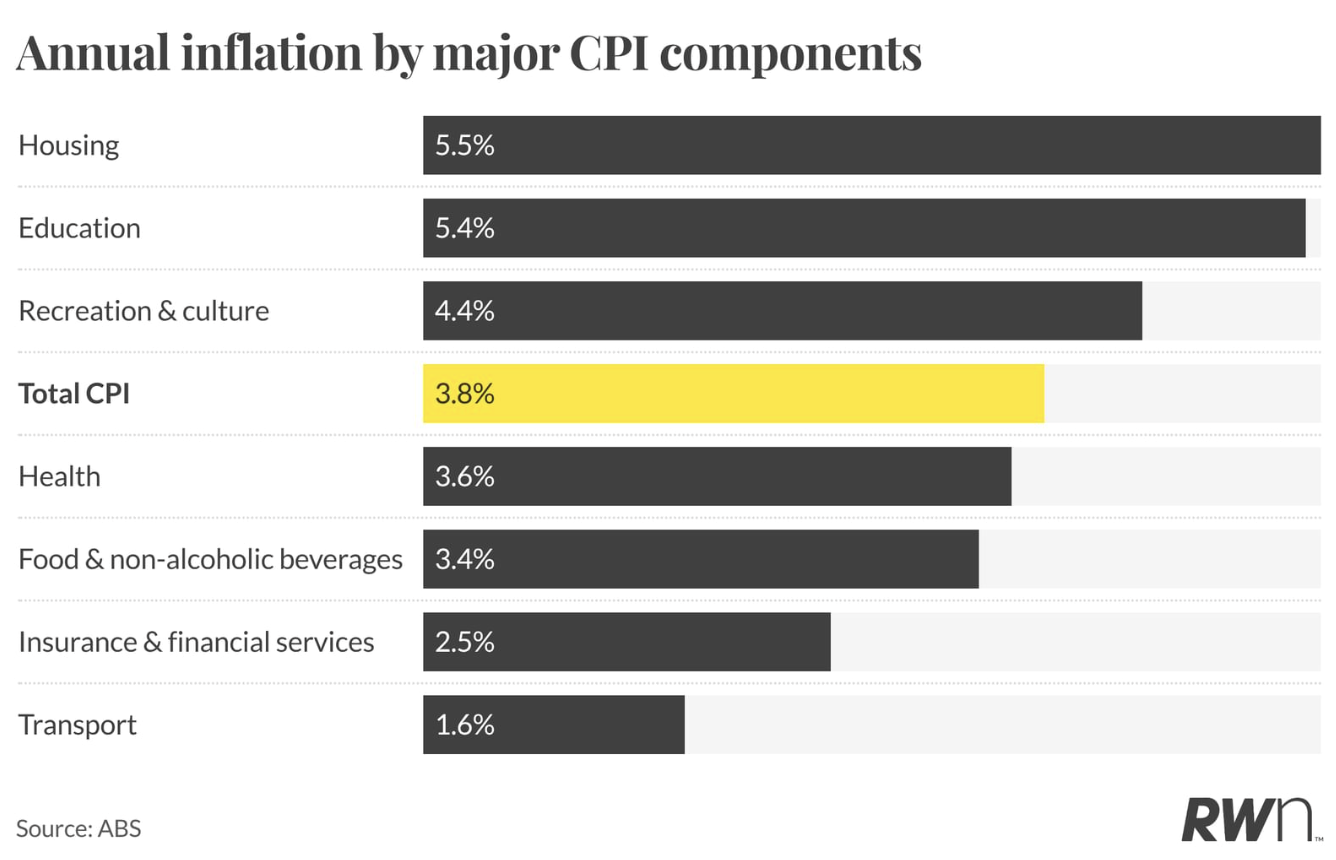
The Reserve Bank of Australia is lifting rates to fight inflation, but the biggest source of price pressure is one it cannot easily control, according to Ray White Group chief economist Nerida Conisbee.
Ms Conisbee explains that housing costs are growing about 5.5% annually, outpacing headline inflation. The pressure is coming from strong rental growth and persistently high building costs, both linked to a shortage of housing.
That matters as interest rate rises are a blunt tool in this context. They do not speed up approvals or expand the construction workforce. Instead, they raise financing costs and make new projects harder to deliver, reducing future housing supply.
The rental sector shows how this plays out. As rates rose from 2022, investor lending dropped sharply. Fewer rental properties were added at the same time population growth accelerated. By mid 2024, rents were more than 18% higher nationally, with some cities seeing rises close to 30%.
Ms Conisbee argues this creates a policy mismatch. Rate rises may slow house price growth, but without targeted supply reform, housing-driven inflation is likely to remain stubborn and continue feeding into the broader cost-of-living problem.
Home building approvals fall sharply in December
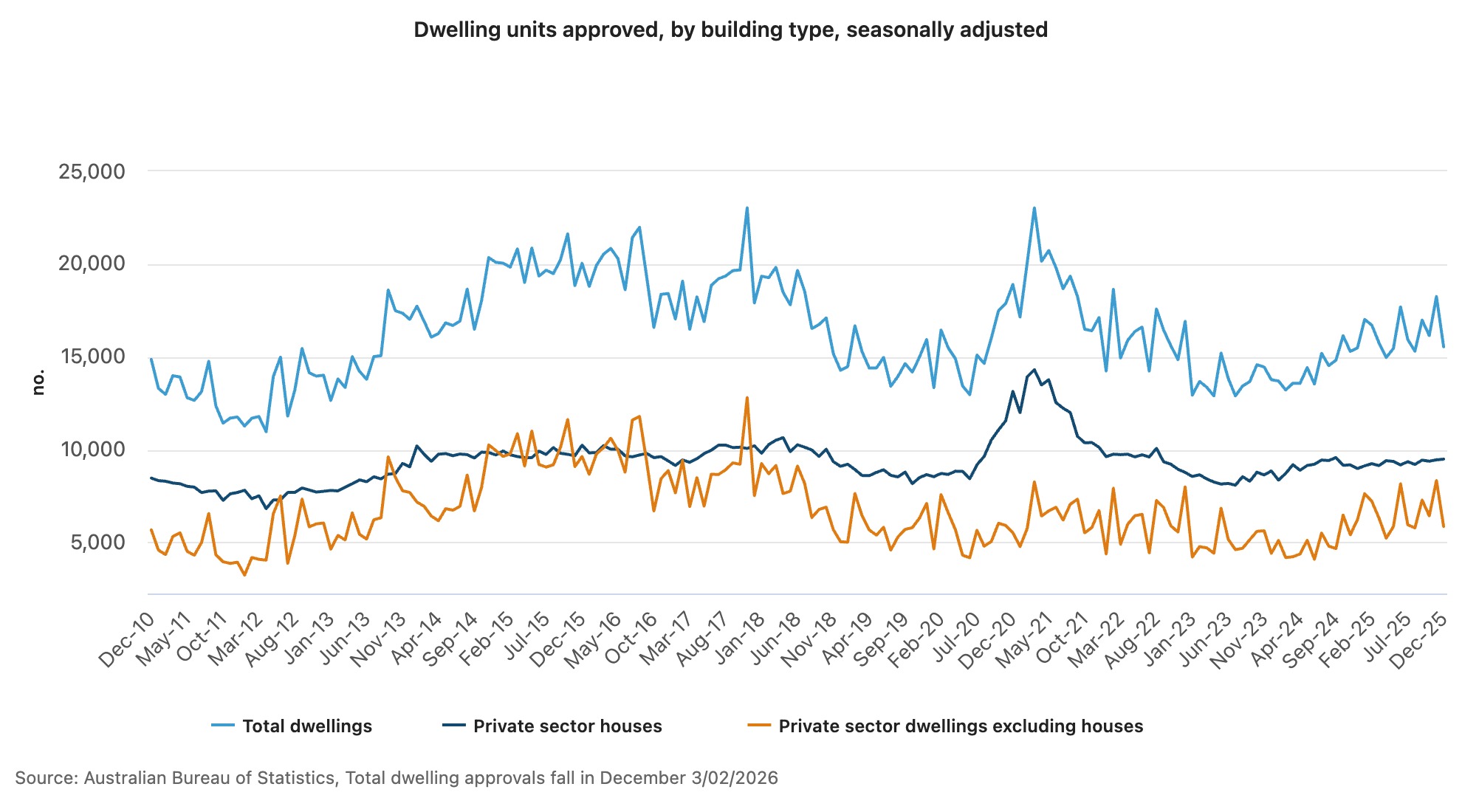
Australia’s housing pipeline took another hit in December, with total dwelling approvals falling 14.9% from November to 15,542, according to the Australian Bureau of Statistics
The fall was driven by a 29.8% decline in approvals for apartments, townhouses and other non-house dwellings. That came after a big spike in November, highlighting just how volatile the data can be. Detached house approvals rose slightly, up 0.4% for the month.
While monthly swings are common, the bigger concern is the broader trend. Approvals have remained below average for over a year, which points to a weakening pipeline of new housing supply. With population growth still strong, fewer approvals now mean fewer homes built in the future – adding pressure to prices and rents.
Boomers shift out of property as Gen X take charge
The great wealth transfer is well underway, with Baby Boomers reducing their exposure to property while Gen X build their asset base.
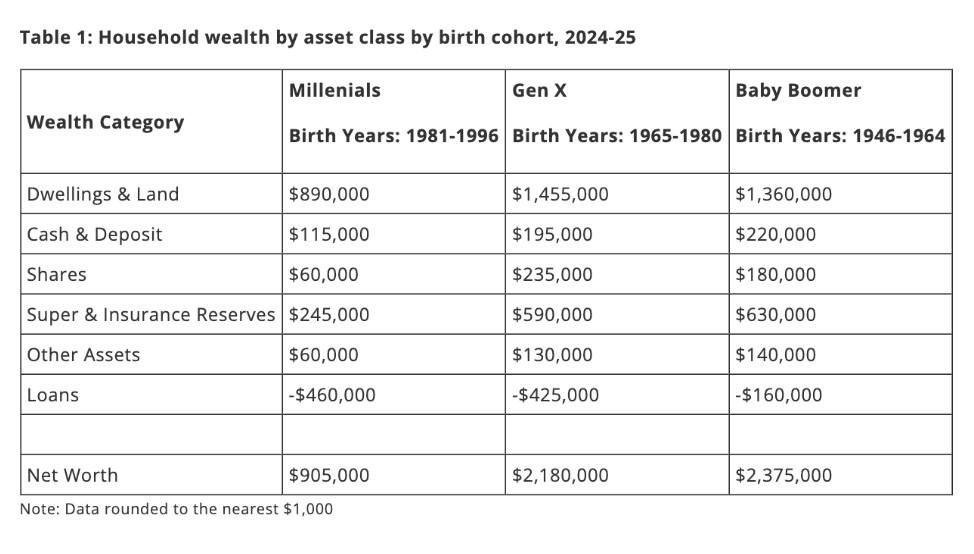
New research from KPMG shows Gen X now hold the most wealth in property and shares of any generation, with an average of $1.445 million in dwellings and land. That compares to $1.360 million for Boomers, who are increasingly moving wealth into more liquid assets such as cash and super.
In net terms, Boomers are still ahead, with a $2.46 million average household net worth. Gen X aren’t far behind at almost $2.2 million. But Millennials face a much steeper climb, with an average net worth of just $905,000. Their average property holding is $890,000 – and in many cases, debt outweighs equity – highlighting the impact of larger mortgages and fewer years in the market.
Encouragingly, younger Australians have seen the biggest wealth growth over the past five years. However, that’s largely due to first home purchases during the low-rate window of 2020–21. And with rates higher and deposits now harder to save, the next wave of buyers will likely find the climb more difficult.